

How to calculate how much fencing you need without underbuying
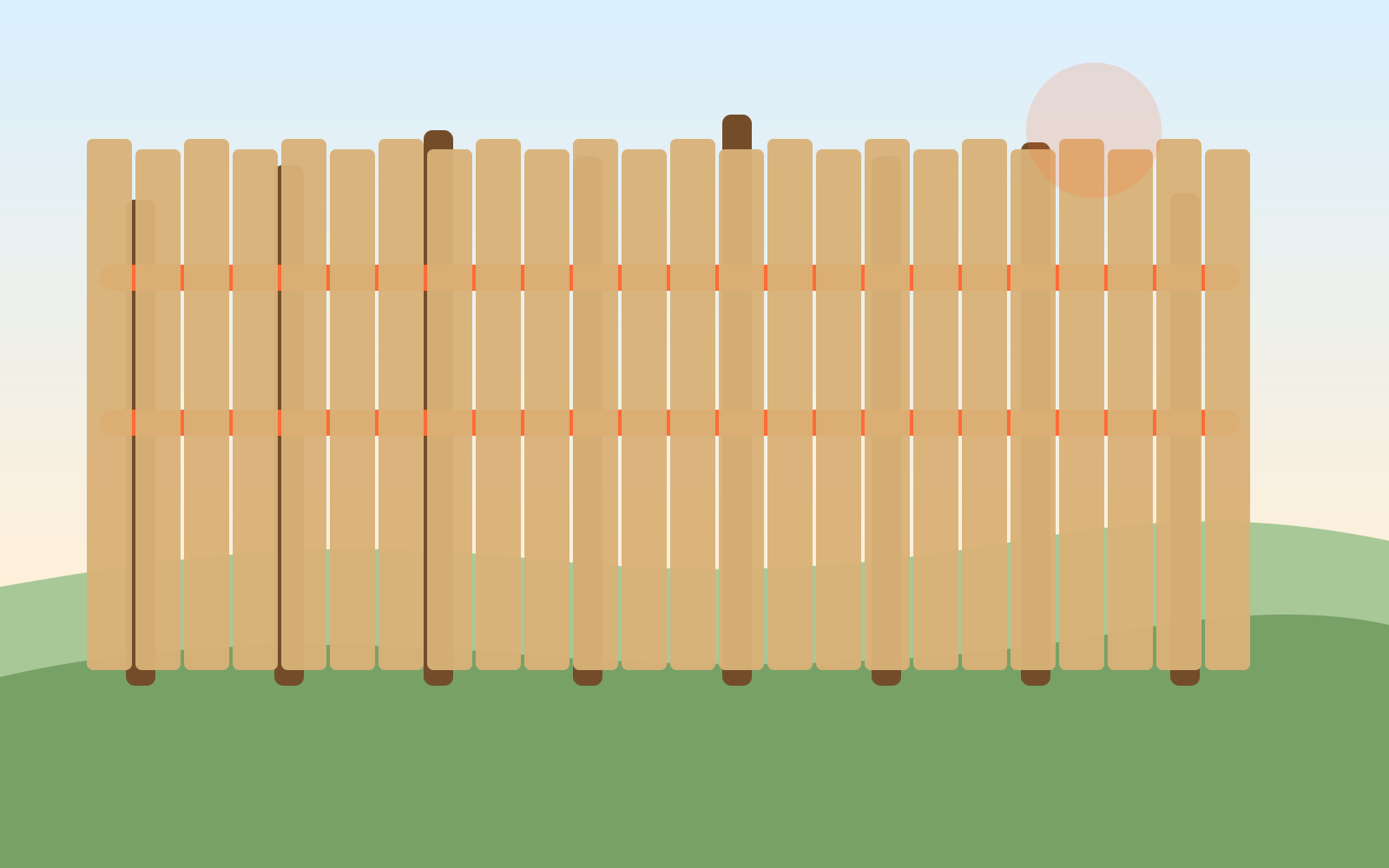
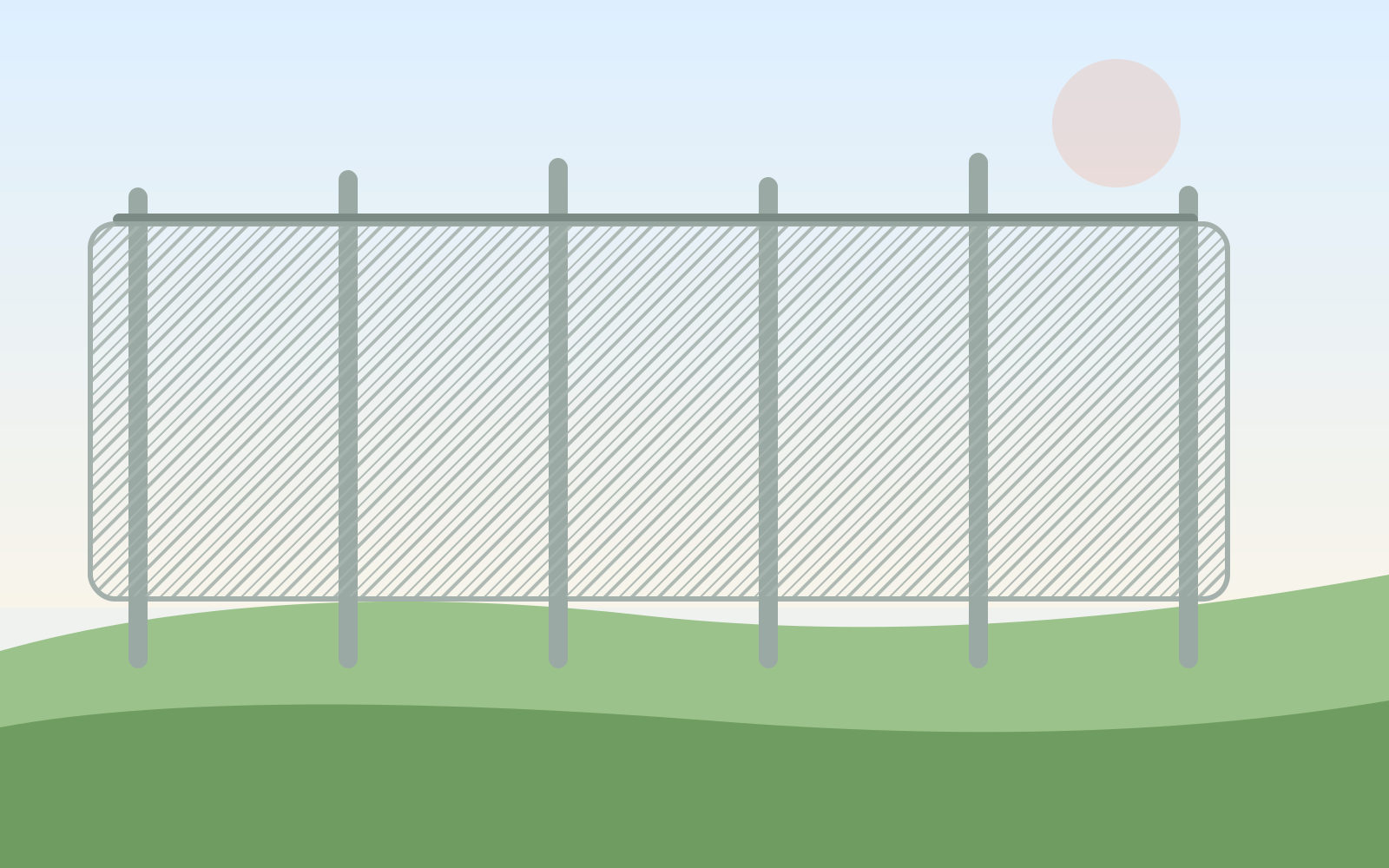
A good fence calculator starts with a simple idea: the total project cost is driven by the total fence run, but the material list is driven by the way each fence system is packaged. A wood fence is sold in pickets, rails, and posts. A vinyl fence is sold in panels, posts, and gate kits. A chain link fence uses rolls of fabric, top rail, terminal posts, line posts, and fittings. If you only multiply a rough “price per foot” by your yard perimeter, you can miss the real pieces that make a quote climb. That is why this calculator works backward from the structure itself instead of using one generic rule for every material.
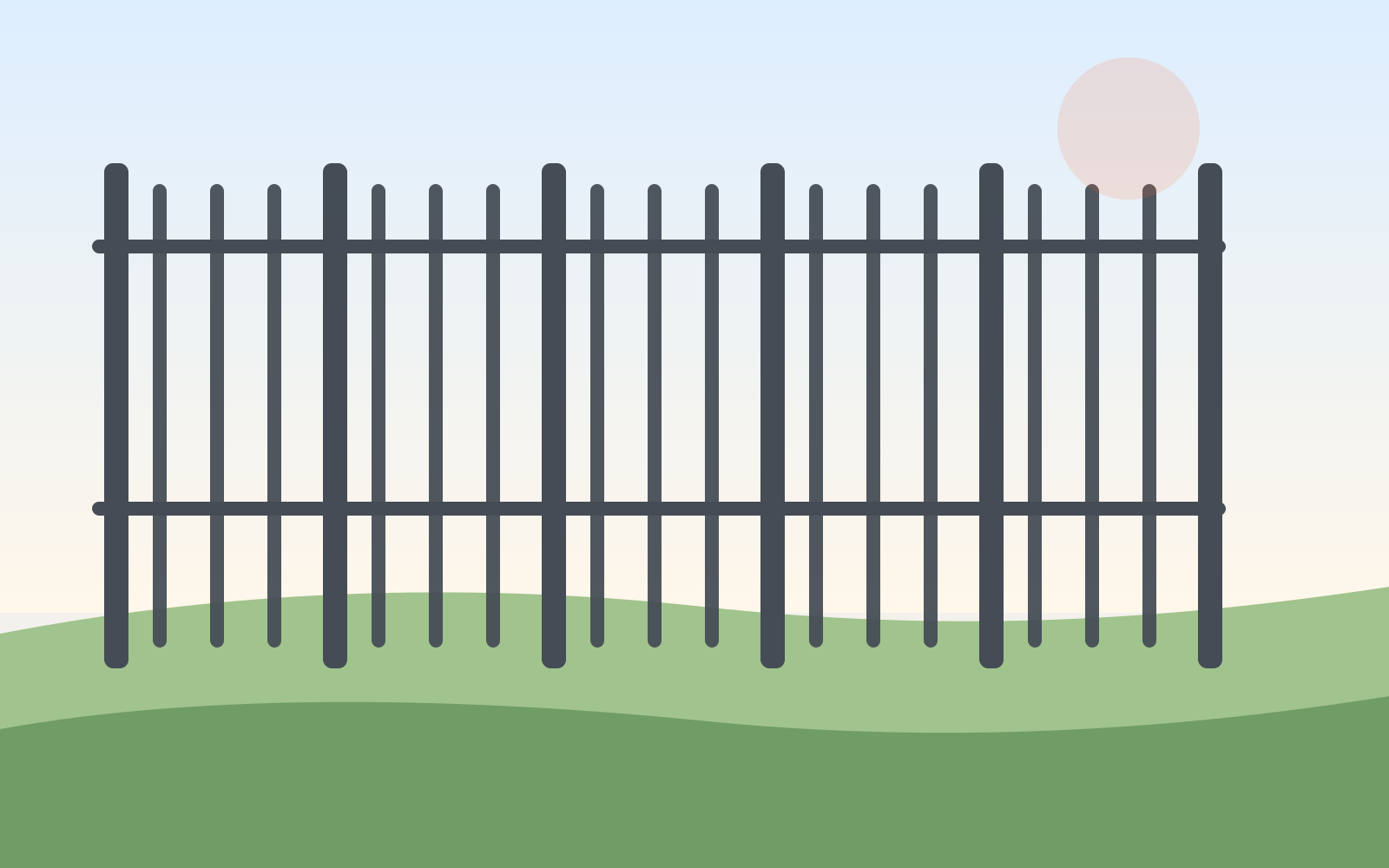
The first number to trust is the full linear footage of the fence run. Walk the perimeter you actually want fenced, not the full property line unless you are replacing everything. A lot of projects only fence the backyard, one side lot line, or a pool enclosure. Once you have the real run, the next step is post spacing. Most privacy fences work from an 8 foot rhythm, while chain link and split rail often stretch to 10 feet, and aluminum panels commonly compress to 6 feet. The number of sections controls posts, concrete, and rails. That means a fence with a few extra corners or gates can need noticeably more structure than a perfectly straight fence of the same length.
Gate count matters because gates are where simple estimates break. A single walk gate removes some fence fill but adds heavier hardware, latch components, and in many cases reinforced hinge posts. A double gate for a driveway or mower access adds even more. On a short backyard fence, one gate package can represent a large share of the total cost increase. That is why the calculator handles gate width, gate count, and gate style explicitly instead of burying them inside an average. The result is a more realistic budget range and a materials list that is closer to what a contractor or supplier will quote.
The last major input is local labor pressure. Homeowners often compare price per foot numbers they found in a different state or from a blog that never mentions labor markets. The reality is that a six foot wood privacy fence in Texas can price very differently from the same scope in California or New Jersey because the wage floor, permitting friction, hauling distance, and crew availability are different. Regional multipliers are still broad assumptions, but they keep the calculator from pretending labor is flat across the country. For budget planning, that is much more useful than a national average pulled out of context.
Material quality also matters, but it matters in different ways. For wood, species and board thickness shift both look and longevity. For vinyl, the difference is often panel quality, reinforcement, and whether the system is rackable on slopes. For chain link, mesh gauge, coating, terminal framework, and top rail thickness decide whether the fence feels durable or flimsy. For aluminum, powder coating and panel profile matter more than just the headline cost per foot. The calculator keeps the price range wide enough to reflect these quality tiers, which is why you see a low-to-high budget instead of one false-precision number.
If you are using the tool for a contractor quote review, the best workflow is to generate your estimate, copy the material list, and then ask every bidder to confirm the same fence type, height, spacing assumptions, and gate count. This reduces the classic problem where one quote looks cheaper only because it assumes a lighter gate, fewer terminal posts, or a lower fence height. Comparing the same scope is how you find the real low bid, not just the lowest-looking number.